Prototyping Modular Workflows
Photo by Vlado Paunovic on Unsplash
Open Questions
After gaining confidence in which markets to target for expanding our core product, we wanted to validate our UX before building it into the product.
- How might we build great stand-alone activities that can chain together to enable custom meetings and workflows?
- How might we validate the UX before committing to full development cycles in the product?
- How might we test fit for market without building in the product?
Along the way, we prototyped with tools like Figma Make, and built a prototyping sandbox using agentic engineering. This sped up the process of validating our riskiest assumptions.
Low-fidelity concepts
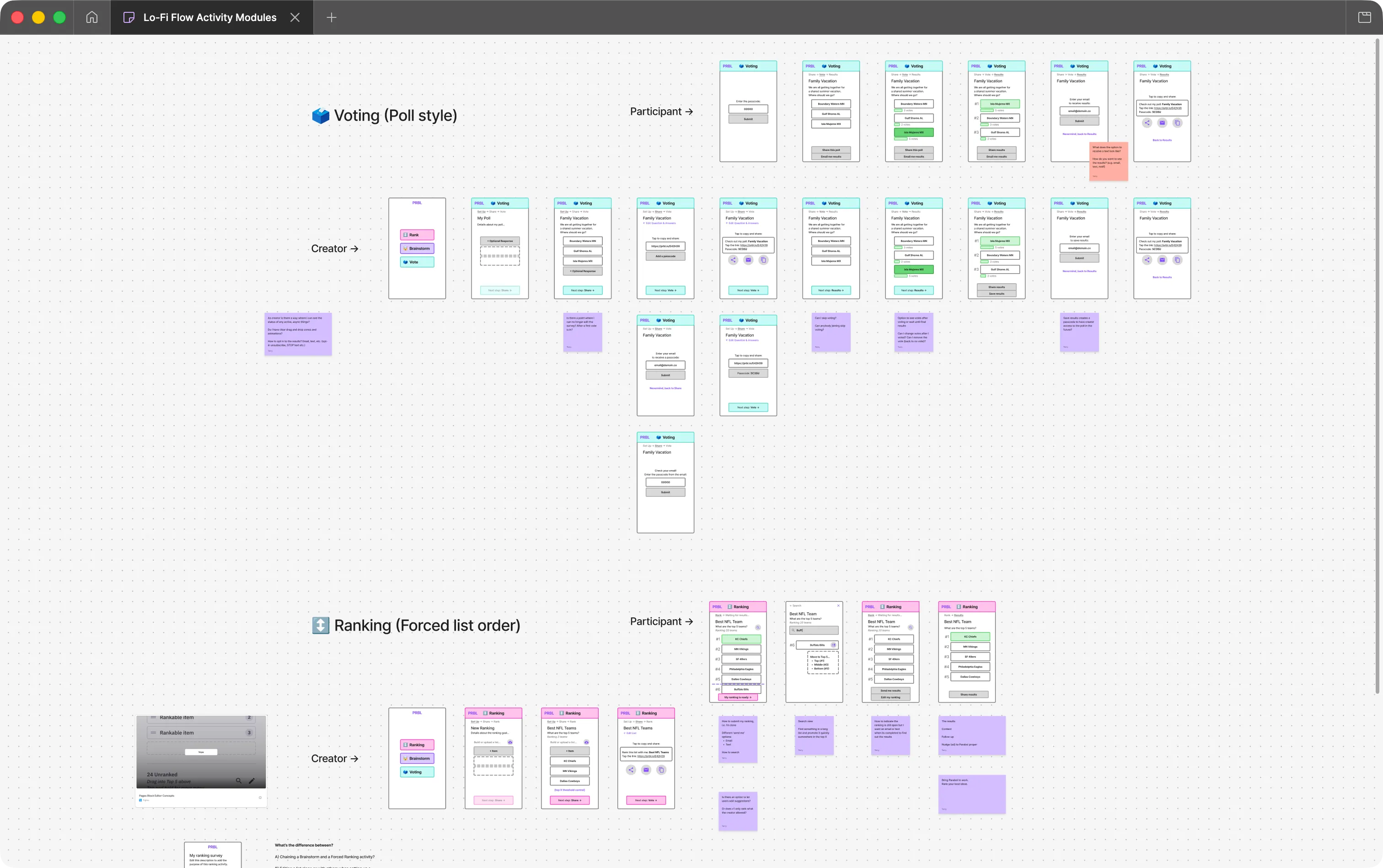
While many ideas start on paper with a Sharpie, using FigJam is a great next step for sketching out ideas in a space that is immediately accessible to the team. It’s easy to copy, paste, and iterate.
Enabling workflows on top of databases
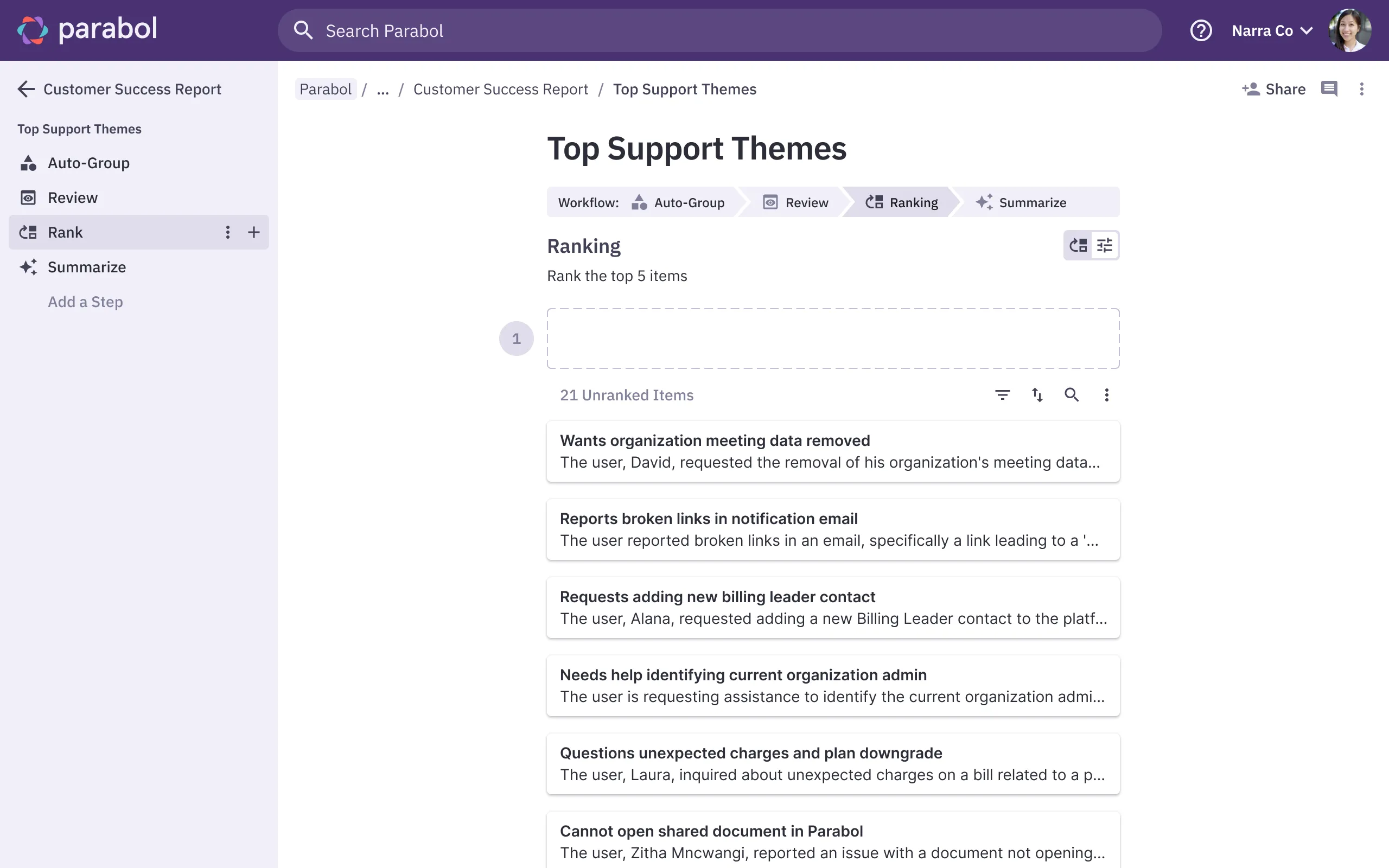
We love a good database. The problem is it’s hard to analyze the data as a group, make decisions, and come away with next steps. We wanted to enable popular meetings and workflows on top of data. For example, our Customer Success team wanted to group trends in tickets, rank where to focus their attention, and own takeaway tasks.
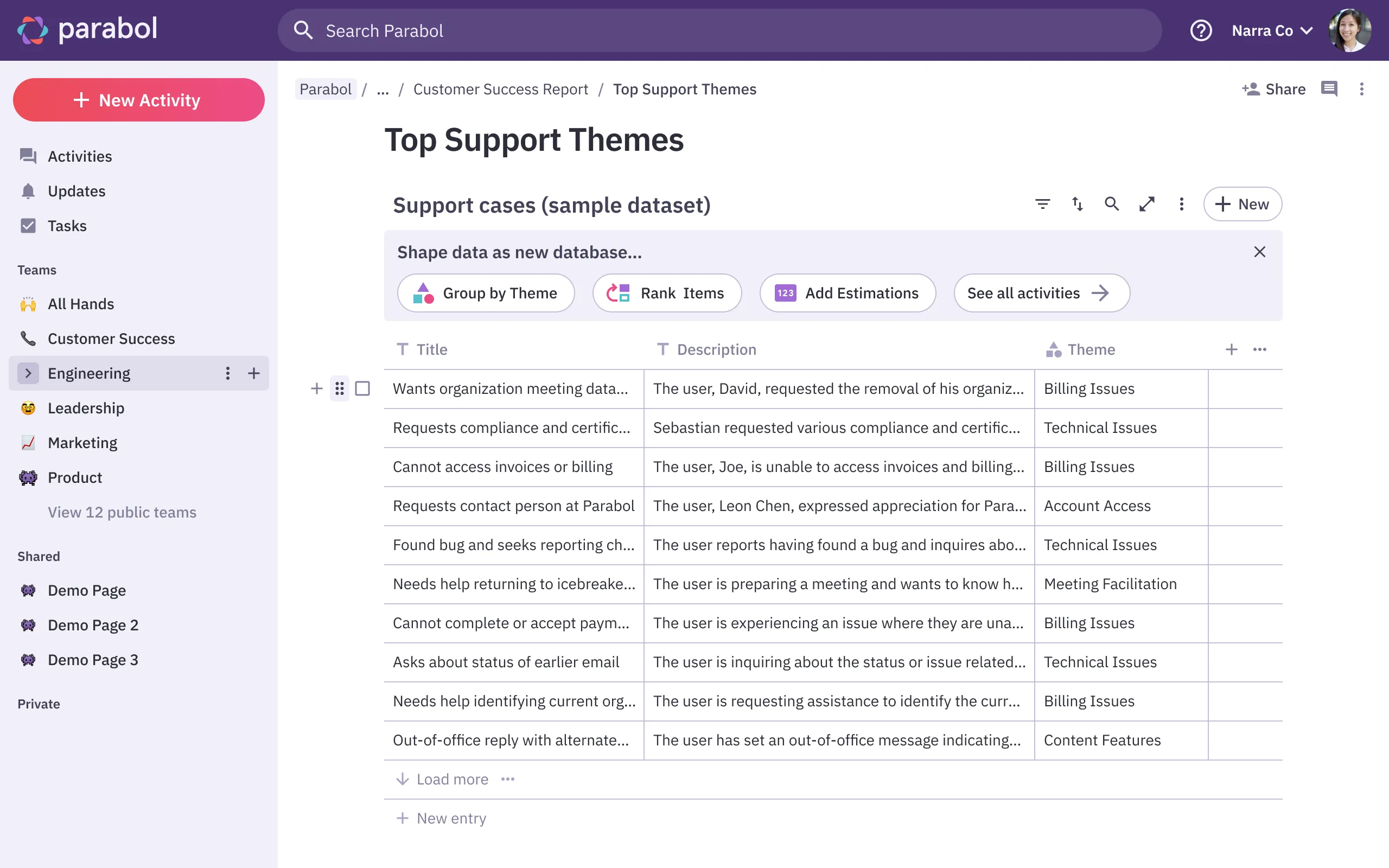
Starting from a database, multiplayer activity modules are designed to live in the page view.
Prototyping quickly with AI
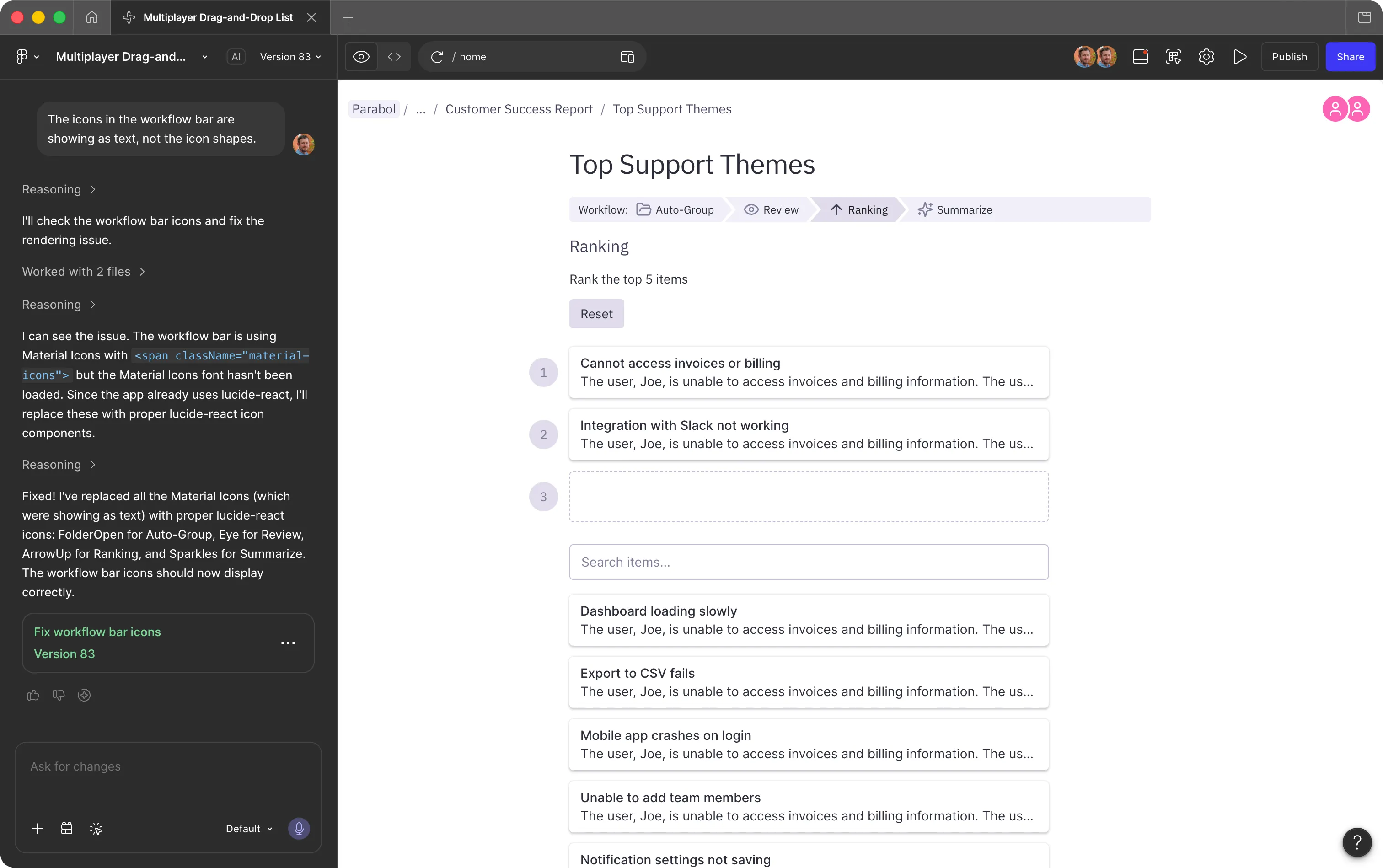
The ability to quickly move beyond static concepts speeds up the process of feedback and iteration. A fully functional prototype allows us to get the feel and details right before we commit a full development cycle. Read more for closer look at the process.
Testing single-purpose activities in the wild
In a modular, chainable system, we had to stick to good principles. Is an activity valuable on its own? Is there a clean data structure that supports output from one activity as input to another? Does the core UX hold up outside the context of the full product?
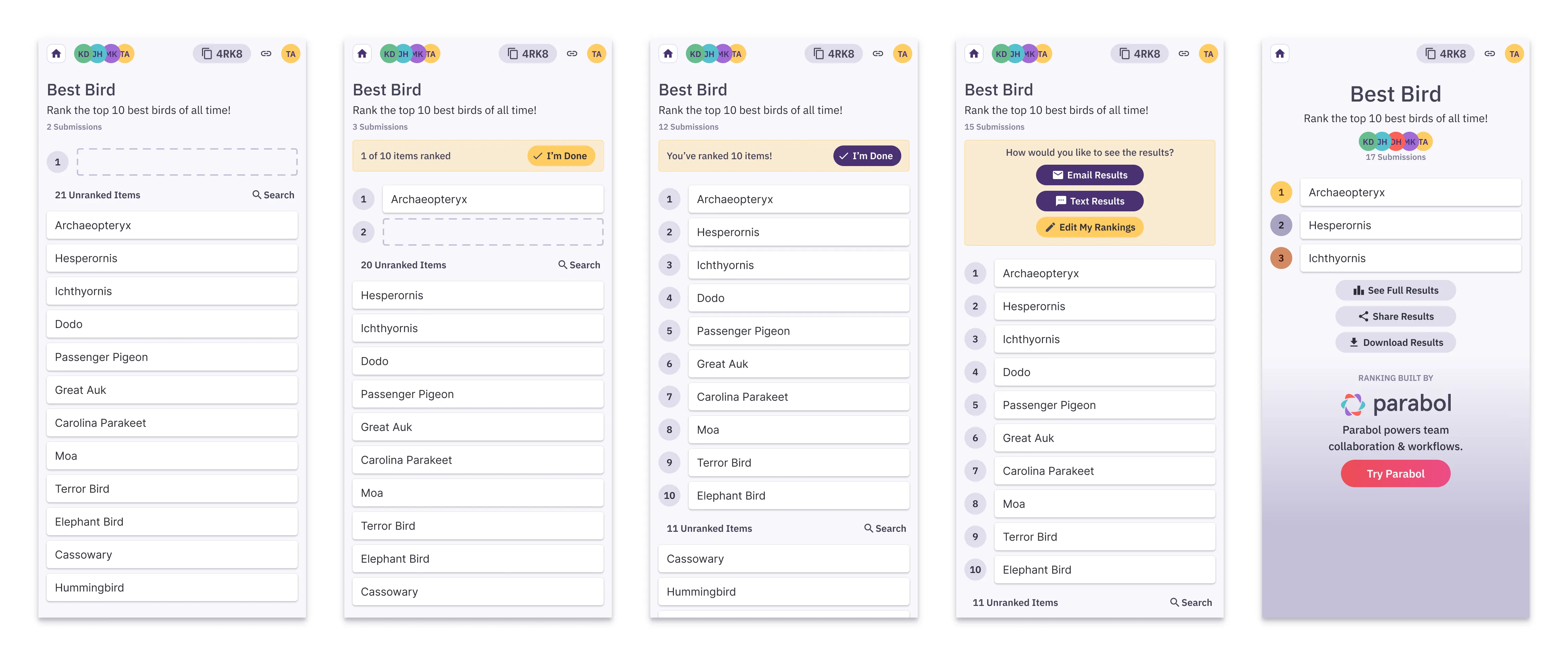
We built simple versions to test this in the market with fun, single activities that groups could run together, without committing to building this out in our product, which would require more time to architect and test.
We had a lot of fun prototyping this ranking activity to play “Best Bird” or “Best Sandwich” and playing it internally.
Next Steps
We built databases to make our self-hostable team knowledge management product feature-complete. On the betting table, we are looking at:
- Building a timeline view for retrospectives, incident post-mortems, and trend anaylsis in datasets.
- Building survey modules to power culture and team health.
- Building theming, ranking, and voting modules on top of databases.
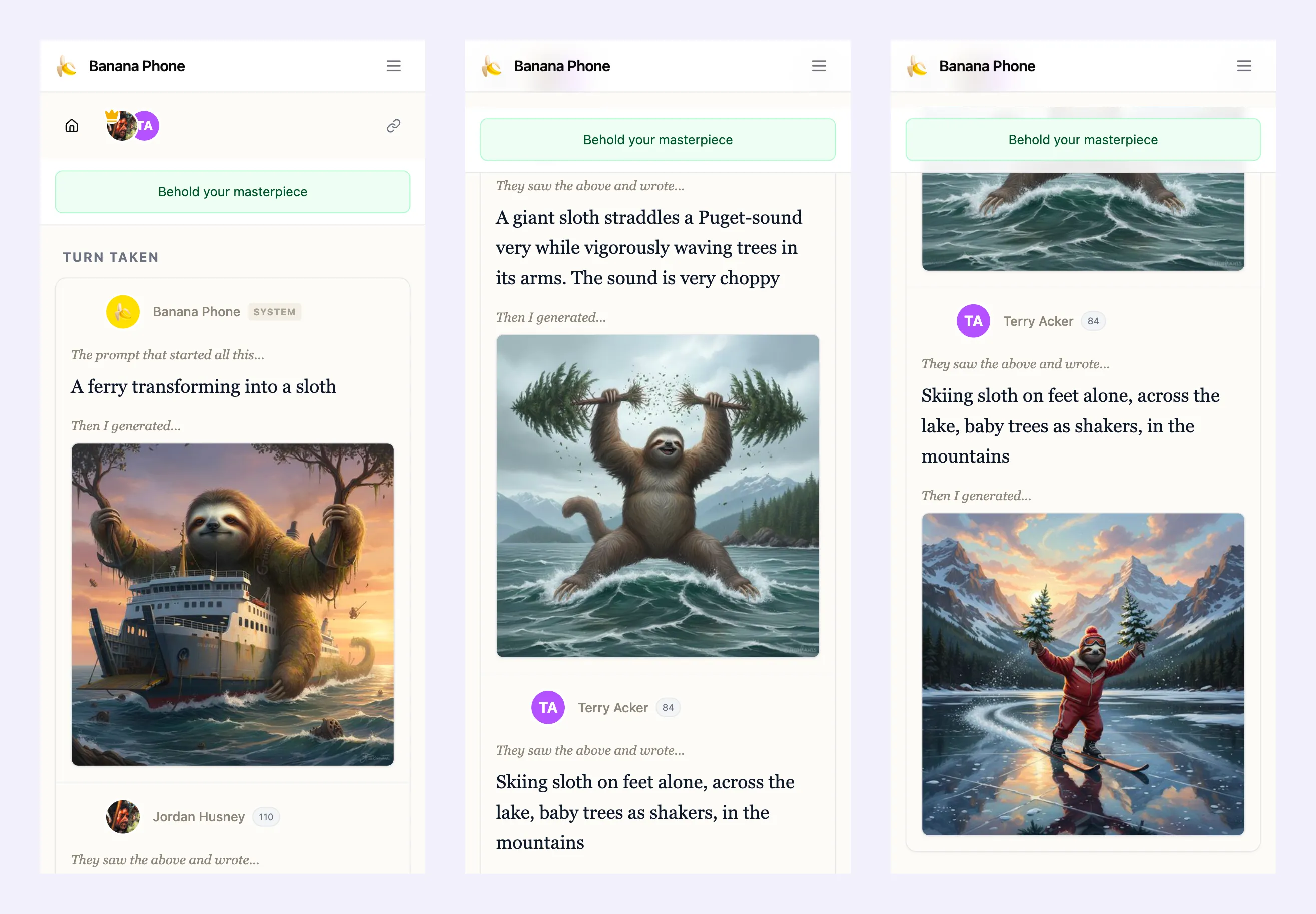
Bonus Round: Banana Phone
Following this strategy we built a game where participants take turns attempting to recreate an image without seeing the original prompt. Hilarity ensues the more rounds you take. Start a game here: Banana Phone.